

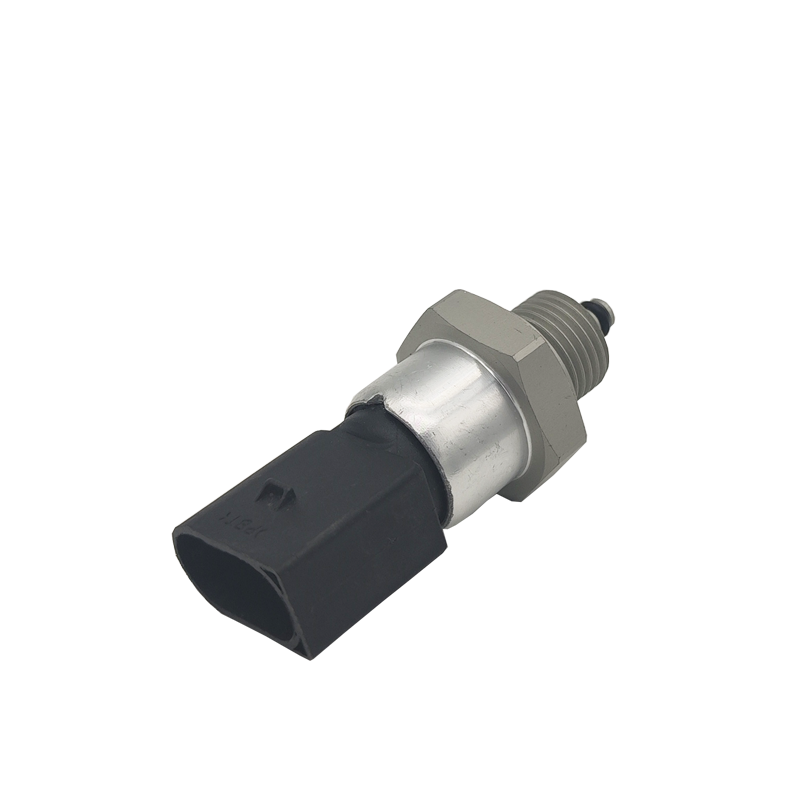
Hydraulic high pressure sensors are used to measure and monitor pressure levels within hydraulic systems. These sensors are designed to withstand high pressure levels, typically up to thousands of pounds per square inch (psi). By monitoring pressure levels within the system, hydraulic high pressure sensors can help identify potential problems before they become problems. This may include detecting leaks, identifying blockages and monitoring pressure fluctuations.
In addition to monitoring pressure levels, hydraulic high pressure sensors can also be used as a safety function in hydraulic systems. In the event of system overpressure, the sensor will detect the overpressure and send a signal to the control system to shut down the system. This safety feature helps prevent catastrophic failure of hydraulic systems, protecting personnel and equipment.
Hydraulic high pressure sensors are also used to optimize the performance of hydraulic systems. By monitoring pressure levels within the system, sensors can provide feedback to the control system, allowing adjustments to be made to the system's components such as pumps, valves and actuators. This helps improve system efficiency, reduce power consumption and improve overall performance.
In some industrial applications, hydraulic high pressure transducers are also used to measure the force generated by hydraulic components such as cylinders and presses. By measuring the pressure within these components, sensors can calculate the resulting forces, allowing precise control of the movement of heavy equipment and machinery.
In summary, hydraulic pressure sensors play a vital role in industrial applications. They are used to monitor pressure levels, detect faults and ensure safe and efficient operation of hydraulic systems. Proper installation and maintenance of hydraulic high pressure transducers is critical to ensuring the longevity of equipment, protecting personnel and maintaining system performance.